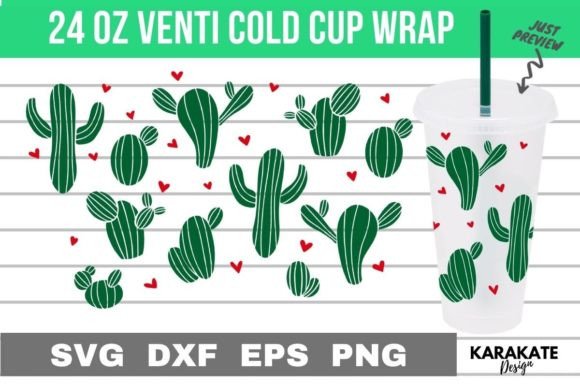
Mini Cactus 24 Oz Cup Wrap SVG for Graphics & Crafts
When a Mini Cactus, 24 Oz Venti Cup Wrap SVG lands in my digital workspace, I immediately evaluate it through the lens of a blog designer and digital publisher. I am not looking at it as a standalone craft file. I am assessing how it will perform inside a real content publishing workflow. Will it hold visual weight when scaled down to a Pinterest pin? Can it anchor a blog featured image without feeling disconnected from the editorial voice? Will it help a content creator build trust with readers who expect polished, intentional visuals? These are the questions that matter before any graphic design asset goes live on a monetized website, an affiliate blog, or a subscriber newsletter.
My first impression of this wrap design is one of playful warmth. The mini cactus motif brings a desert-meets-modern aesthetic that feels simultaneously approachable and stylized. It is not overly cartoonish, nor is it stiffly realistic. This balance is exactly what editorial designers look for when selecting blog graphics that need to appeal across lifestyle, home, seasonal, and creative niches. The visual mood leans toward the cheerful and slightly southwestern, which opens up a surprising range of publishing uses beyond the obvious craft application.
The Editorial Mood and Niche Fit of the Mini Cactus Wrap
Every graphic design asset carries an emotional tone. This one communicates a sense of casual charm, warmth, and a touch of whimsy. For a content publisher, that translates into strong alignment with niches such as home decor, DIY projects, party planning, seasonal summer content, plant care blogs, and even wellness or self-care websites that use botanical imagery as a visual anchor. The cactus silhouette and the rounded cup shape create a friendly, inviting silhouette that reads instantly, even at reduced sizes.
When I place the Mini Cactus, 24 Oz Venti Cup Wrap SVG inside a mockup blog layout, it immediately makes the page feel more curated. That is the power of a well-chosen design asset. It signals to the reader that the publisher has invested in visual communication, not just written content. In an era where readers judge credibility within seconds, this matters more than most bloggers realize. A cohesive visual system built around assets like this one can elevate a content site from hobbyist to professional in a single scroll.
From Craft File to Content Publishing Workhorse
While the product listing describes a cup wrap intended for physical crafting, my focus is on its digital versatility. The SVG file in this download package is a vector format, which means infinite scalability. The PNG file arrives at 300 DPI with a transparent background, making it immediately usable for layered digital compositions. The DXF and EPS files add further compatibility for designers who work across different software ecosystems. For a publisher, this bundle is not just a craft supply. It is a ready-to-use digital download that can be repurposed across an entire content ecosystem.
I have seen too many bloggers and content creators overlook the potential of craft-oriented design files. They assume a cup wrap SVG belongs only on a tumbler. But the transparent PNG alone can become a blog category thumbnail, a newsletter header accent, a Pinterest pin focal element, or a decorative motif inside a digital guide or printable design. The vector paths can be recolored, resized, and combined with typography to create entirely new branded assets. This is what experienced digital publishers do. They see a file not for what it is labeled, but for what it can become across multiple publishing channels.
Visual Hierarchy and Reader Perception
When I test this design asset inside a blog featured image, the silhouette of the cactus creates a natural focal point. The eye lands on the graphic first, then moves to the headline text placed beside or above it. This creates a visual hierarchy that guides the reader through the content preview. In editorial design, controlling the order in which elements are seen is half the battle. A graphic that competes with text or fades into the background fails that test. The mini cactus wrap design, with its distinct shape and moderate detail level, strikes a useful balance. It is decorative enough to draw attention, but not so complex that it overwhelms accompanying copy.
Reader trust is built through consistency. When a publisher uses the same design language across featured images, social media graphics, and editorial design elements, the audience begins to recognize the brand before reading a single word. This cactus motif, if used thoughtfully, can become a recognizable visual signature for a content site. It could mark seasonal content, decorate a newsletter template, or frame a lead magnet download page. The repetition of a cohesive visual element builds brand identity faster than most bloggers expect.
Where This Asset Performs Best in a Publishing Workflow
Through years of designing blog layouts and digital content, I have identified specific placements where a modern design asset like this one delivers the greatest impact. Here are the publishing scenarios where the Mini Cactus, 24 Oz Venti Cup Wrap SVG truly shines:
- Pinterest pins — The tall, vertical orientation of the cup wrap design naturally suits the 2:3 aspect ratio that dominates Pinterest. The cactus graphic creates a strong visual anchor that stops a scrolling user.
- Blog featured images — When paired with bold headline text, the silhouette adds personality without competing for attention. It works particularly well for list posts, how-to articles, and seasonal roundups.
- Category thumbnails — On a content-rich website, category pages need recognizable visual markers. A consistent cactus icon or badge can help readers navigate content sections intuitively.
- Newsletter graphics — Email newsletters benefit from light, cheerful imagery that breaks up text blocks. The transparent PNG version slots perfectly into email templates without heavy file weight.
- Downloadable resources — The design can decorate digital guides, worksheets, checklists, and printable design products, adding perceived value to content marketing offers.
- Social media previews — Facebook link previews, Instagram story graphics, and Twitter cards all benefit from a recognizable, scalable graphic element.
Supporting Content Performance Through Design
A well-chosen design asset does more than decorate a page. It directly supports content performance metrics. A stronger first impression reduces bounce rates. Clearer visual hierarchy improves time on page. Better click-through potential on Pinterest and social media drives traffic. More consistent branding improves reader recall and return visits. These are not abstract benefits. They are measurable outcomes that content publishers track daily. When I select a graphic for a blog project, I am investing in those metrics. The Mini Cactus, 24 Oz Venti Cup Wrap SVG earns its place in my asset library because it supports these performance goals with a versatile, adaptable design.
Placements That Require Careful Handling
Every design asset has limitations, and honest publishers acknowledge them. This wrap graphic has a distinctive character that may not suit every context. I would avoid using it in the following scenarios:
- Small mobile thumbnails — The detailed cactus silhouette may lose clarity at very small sizes. Always preview at mobile dimensions before publishing.
- Text-heavy blog images — If the featured image requires multiple lines of text, the graphic may create visual clutter. Test with real headline copy.
- Low-contrast backgrounds — The cactus design relies on shape recognition. Against a busy or similarly toned background, it can disappear.
- Serious professional niches — A corporate law blog or financial advisory site would likely find this design too casual for their brand voice.
- Minimalist visual systems — Websites that use only geometric shapes and monochrome palettes may struggle to integrate a playful botanical element.
These are not flaws. They are contextual considerations that separate experienced publishers from novices. The key is to test the asset inside the actual layout where it will appear. A graphic that looks charming in isolation may behave differently when surrounded by navigation menus, sidebar widgets, and adjacent content blocks.
Practical Publisher Notes for Real-World Use
Before integrating any digital download into a live publishing environment, I run through a standard checklist. This prevents performance issues, licensing headaches, and visual inconsistencies. For the Mini Cactus, 24 Oz Venti Cup Wrap SVG, here is what I recommend:
- Test on desktop and mobile screens — The graphic should read clearly at multiple viewport sizes. What looks crisp on a 27-inch monitor may blur on a phone screen if not properly scaled.
- Preview as a thumbnail — Blog index pages, category archives, and related post sections often display images at thumbnail size. Confirm that the cactus silhouette remains recognizable.
- Test with headline text — Place the graphic beside serif, sans serif, script, handwritten, and display font styles. The visual harmony between image and typography will define the overall impression of the content.
- Check contrast and readability — If text overlays the graphic, ensure sufficient contrast. The transparent PNG background makes overlay testing straightforward.
- Review file size for web performance — Large image files slow down page load times. Compress the PNG appropriately for web use without sacrificing visual quality. The SVG file, being vector, offers excellent performance for web graphics.
- Confirm commercial licensing — Before using this asset on monetized websites, affiliate pages, or paid content products, verify that the license permits commercial design use. Many creative marketplace purchases include personal use licenses by default, with commercial extensions available separately.
- Test in black and white — Some readers use accessibility tools or print content. The design should retain its character even without color.
Typography Pairings and Styling Flexibility
One of the most valuable qualities of this graphic design asset is its neutrality toward type. The cactus motif pairs well with playful handwritten fonts for a casual, friendly feel. It also sits comfortably next to clean sans serif typography for a more modern design look. For editorial projects, I have tested it alongside serif headlines and found that the organic shape of the cactus softens the formality of traditional typefaces. This adaptability means the same graphic can serve a lifestyle blog, a small business branding page, or a creative design portfolio without feeling out of place.
Building a Visual System Around a Signature Asset
Experienced digital publishers think in systems, not single-use graphics. The Mini Cactus, 24 Oz Venti Cup Wrap SVG can anchor a seasonal visual theme, serve as a recurring decorative element across a content series, or become the recognizable icon of a specific blog category. When readers scroll through a website and encounter the same cactus motif on a featured image, a lead magnet cover, and a digital guide header, they subconsciously register the brand consistency. This is how affiliate marketing sites build trust, how content marketing funnels convert visitors, and how online educators establish professional credibility.
The instant download format of this product means a publisher can move from concept to live implementation within minutes. The four included file types cover the most common design software and publishing platforms. The SVG works seamlessly with Canva, Adobe Illustrator, and most web design tools. The PNG with transparent background drops directly into photo editors, blog layouts, and newsletter builders. The EPS and DXF files extend compatibility to professional design suites and cutting machine software, though for digital publishing, the SVG and PNG will handle the majority of use cases.
Long-Term Value for Content Creators
A digital product like this one appreciates in value the more ways a publisher learns to use it. Today it decorates a Pinterest pin. Tomorrow it accents a downloadable resource. Next month it becomes part of a Canva template shared with an email list. The commercial license consideration is critical here. If the asset is cleared for use on monetized content, it can appear across dozens of pages, posts, and promotional materials, delivering compounding returns on a single creative marketplace purchase. Publishers who understand this mathematics build extensive visual libraries from carefully selected individual assets.
The Mini Cactus, 24 Oz Venti Cup Wrap SVG represents what I look for in a publishing-ready design file. It is versatile, visually appealing, technically well-prepared, and stylistically adaptable. It supports the editorial goals of content creators who need their websites to look intentional, their social media graphics to stop the scroll, and their brand identity to feel cohesive across every reader touchpoint. Whether you are a blogger refining your visual system, a digital marketer building lead magnets, or a small business owner managing your own content, this asset earns its place in a working publisher's toolkit.