Castle Cup Wrap SVG: A Designer’s Real-World Review
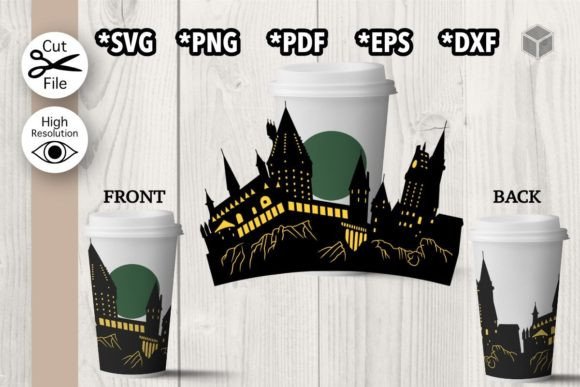
When a new Castle Cup Wrap SVG for 16 Oz Hot Cups lands in my review queue, I don’t just glance at the preview. I mentally stitch it out. I picture how the lines will read on linen, how the geometric architecture will hold up under thread tension, and most importantly, what kind of handmade product it will actually sell. This design comes from the Graphic Templates category, specifically a Graphics type file, and it promises a mystical, to-go cup wrap with a castle silhouette and angular, almost Gothic detailing. The product description gives us a mood: “a mystical feel with geometric architecture,” and notes a recommended cutting size — though the specifics of that cutting size are worth double-checking before you commit to any project. For embroidery designers, SVG files often serve as a starting point for stitch digitizing, applique templates, or print-and-stitch mockups, so I’m approaching this review with that real-world lens.
First Impressions: A Mood That Leans Into Fantasy and Function
Opening the file, the immediate pull is the silhouette. It’s not just a castle — it’s a castle that wraps. The design is meant to encircle a 16 oz hot cup, so the composition is horizontal and rhythmic. Towers and spires repeat with a smart, mirror-like balance that feels both symmetrical and slightly organic, as if the stonework grew itself overnight. For an embroidery designer, this matters. A wrap-around design needs to keep vertical elements from looking chopped off at the seam, and this one’s peaks and valleys flow naturally. The geometric architecture described in the listing isn’t overly sharp; it’s softened by a fairytale vibe that would translate beautifully into a satin stitch outline or a dense fill stitch on a fabric cup sleeve.
I wouldn’t call this a hyper-detailed Gothic cathedral. Instead, it’s a clean, recognizable castle form with enough negative space to let the fabric breathe. That’s a huge plus for machine embroidery. Too many tiny windows or crenellations, and you’d be fighting thread breaks or muddy stitching. Here, the designer seems to have kept the silhouette bold and the inner details minimal, which will make digitizing much cleaner. If you’re using this as an applique design, the large blocks of the castle structure are perfect for fabric pieces, and the surrounding geometric accents could be done with a simple running stitch or decorative stitch.
A Real Project Test: Imagining the Castle Cup Wrap on a Custom Coffee Sleeve
Let me walk you through a real scenario I’m cooking up for a client who runs a small boutique drink shop. She wants reusable, embroidered coffee cup sleeves that feel like a collector’s item — something her customers will keep on their desks and show off. The Castle Cup Wrap SVG instantly became a candidate. I printed the design on paper and wrapped it around a plain 16 oz hot cup from my studio. The proportions were right on the mark, though I’d recommend measuring the exact circumference of the final cup brand you’re using, since slight variations in cup diameter can leave a gap or cause overlap. The mood it created was unexpected: a mix of “enchanted library” and “modern witchy.” That’s a style that sells well on Etsy right now.
For the actual embroidery, I’d test the design on a mid-weight cotton-linen blend first. The sleeve would be hooped with a medium-weight cutaway stabilizer, and I’d likely use a dark charcoal or navy fabric to let the castle pop in a metallic silver or soft gold thread. The geometric elements — those angular lines around the castle — could be a single-color satin stitch for a crisp, laser-cut look. Alternatively, an applique design version would let me use a textured fabric for the castle itself, like a micro-suede, and stitch the outlines in a contrasting thread. The wrap-around nature means I’d need to be precise with alignment, marking the center point on the fabric and possibly using a multi-hooping technique if the design exceeds my hoop width. This is where a printable mockup of the SVG becomes invaluable for planning placement before a single stitch is sewn.
Where This Design Truly Shines in Embroidery Projects
After sitting with the design for a while, I can see it fitting into several finished product categories that small business owners and crafters frequently ask about. Here’s where the Castle Cup Wrap SVG for 16 Oz Hot Cups would perform best:
- Reusable fabric cup sleeves — the original intent, and the most natural fit. Embroider on a structured sleeve, add a button or elastic, and you have a highly giftable, eco-friendly item.
- Tote bages — scale the design up slightly and place it on the front pocket of a canvas tote. The vertical castle elements work beautifully as a centerpiece design.
- Sweatshirt embroidery — imagine a small version of this wrap design on the cuff of a sweatshirt sleeve or as a subtle chest emblem. The mystical geometric lines would give a subtle, indie-brand feel.
- Embroidered patches — digitize the castle as a stand-alone patch, maybe with a merrowed edge. The shape is distinctive enough to stand out on a jacket or backpack.
- Aprons and kitchen towels — for a fantasy-themed kitchen or a coffee lover’s gift, stitch this design on a linen apron bib or a set of tea towels. It adds a touch of whimsy without being childish.
- Baby and nursery items — surprisingly, the non-threatening castle silhouette works for a storybook nursery theme on a blanket or a soft fabric bin.
- Holiday gifts — paired with a bag of artisan coffee, an embroidered sleeve with this castle motif becomes a memorable, personalized gift for book lovers and fantasy fans.
In each of these uses, the design’s visual appeal hinges on the contrast between the architectural lines and the softness of the fabric. It’s a design that invites touch, and that tactile quality is what makes handmade embroidery so valuable. When customers see a well-stitched castle cup wrap on a product, they immediately perceive higher craftsmanship and are more likely to trust the brand behind it.
The Delicate Dance: Points to Watch Before You Stitch
No design is flawless out of the box, and a responsible reviewer points out where things can go sideways. The Castle Cup Wrap SVG has a few characteristics that require careful handling, especially if you’re converting it to an embroidery file from scratch.
First, the geometric architecture means there are some fine points and narrow connections. In the original SVG, thin lines might look elegant, but under a sewing machine they can become thread breaks or distorted stitches if the stitch density isn’t adjusted properly. I’d recommend testing the design on a scrap of the same fabric you’ll use for the final product, and check how those inner corners behave. If you’re using an applique design approach, you might need to simplify some of the smaller cutouts to avoid fraying.
Second, consider the hoop size. A wrap design for a 16 oz cup is, by nature, long and narrow. If your embroidery machine has a small hoop, you may need to split the design into two or more sections and deal with alignment. Multi-hooping is doable, but it adds time and risk. Always confirm the exact dimensions of the SVG before you start digitizing, and check your machine’s maximum stitch field.
Fabric choice also matters. On textured fabrics like terry cloth or a chunky knit, the fine geometric lines can lose definition. On stretchy fabric, the wrap design might distort if the stabilizer isn’t strong enough. I’d avoid lightweight jerseys unless you’re using a heavy fusible backing. For dark fabrics, test your thread colors: a light thread on a dark fabric will show every tiny imperfection, so you might want to outline the design with a slightly thicker column to maintain clarity.
If you plan to use this on a cap or any curved surface, the wrap-around nature of the design might fight the cap’s curved bill. The design was originally made for a cylinder, not a sphere, so be prepared to adjust the digitizing for a curved sew field. Similarly, products that need frequent washing, like a coffee sleeve that gets daily use, should be stitched with high-quality polyester thread that won’t fade or bleed onto the fabric.
Commercial Thoughts: From Craft Fair Booth to Etsy Shop
As someone who designs for both personal projects and client work, I always look at a design through a commercial lens. The Castle Cup Wrap SVG holds strong potential for Etsy sellers and craft fair vendors. The fantasy-meets-coffee niche is underserved but growing, and a product that combines those interests feels fresh. However, before you list a finished embroidered sleeve or a tote bag featuring this design, you must check the licensing terms that come with the Graphics file. The product description doesn’t spell out commercial use permissions here, so I’d advise contacting the seller or reviewing the license documents included in the Graphic Templates download. If it’s a standard personal-use license, you’ll need to upgrade to a commercial license if you’re selling the finished items in any quantity.
For digital product sellers who want to use this SVG as part of a larger design bundle or as a printable mockup, the same caution applies. You’re not just paying for the pixels; you’re paying for the right to use the intellectual property. A clear commercial license protects your small business and your customers’ trust. Nothing ruins a boutique brand faster than a licensing dispute.
Practical Designer’s Checklist for the Castle Cup Wrap SVG
If you’re ready to take this design into your embroidery workflow, here’s a quick breakdown of steps I’d follow myself. Think of it as a sanity check before you load the bobbin:
- Verify the dimensions — measure the SVG against your 16 oz cup’s actual circumference. The listing mentions a “recommended cutting size,” so confirm that measurement and compare it to your hoop capacity.
- Test on scrap fabric — run a stitch-out on a fabric similar to your final product. Watch for thread tension issues, especially at the spires and geometric corners.
- Check thread color contrast — view the design in black and white on your screen to see if the value contrast holds up. A design that relies on delicate color shifts might look flat when stitched in a single color.
- Review stitch density — if you’re digitizing the SVG yourself, adjust the density so that the fill areas don’t become bulletproof. A slightly lighter fill with a crisp outline often looks more professional.
- Use proper stabilizer — for a cup sleeve that will be handled and washed, a cutaway stabilizer is your friend. For a tote bag, a tear-away might suffice but test first.
- Inspect small details — zoom into the SVG and look for any lines that are too thin to be reproduced cleanly with thread. Simplify if needed, keeping the essence of the geometric architecture intact.
- Confirm licensing — read the included license file. If you’re selling the finished product, make sure commercial use is allowed. If you’re modifying the design and reselling it as part of a digital embroidery file, you need explicit permission.
- Create a mockup — use the printable mockup approach: print the design on paper, wrap it around your cup or lay it on your tote bag, and photograph it. This helps you see how the eye will travel across the product and where the focal point lands.
Final Word: A Design Worth Adding to Your Digital Toolkit
The Castle Cup Wrap SVG for 16 Oz Hot Cups isn’t just another pretty graphic. It’s a thoughtfully shaped template that can spark a whole line of handmade product ideas. Its mystical, geometric personality gives it a unique edge in a market flooded with simple floral and script designs. For embroidery designers, its clean silhouette and rhythmic repeat make it a strong candidate for machine embroidery design conversion, whether you’re creating a custom apparel piece, a personalized gift, or a boutique coffee sleeve. Just remember that every design needs a little human touch before it becomes a stitch-perfect reality. Test, adjust, and let your thread tell the fairytale.